

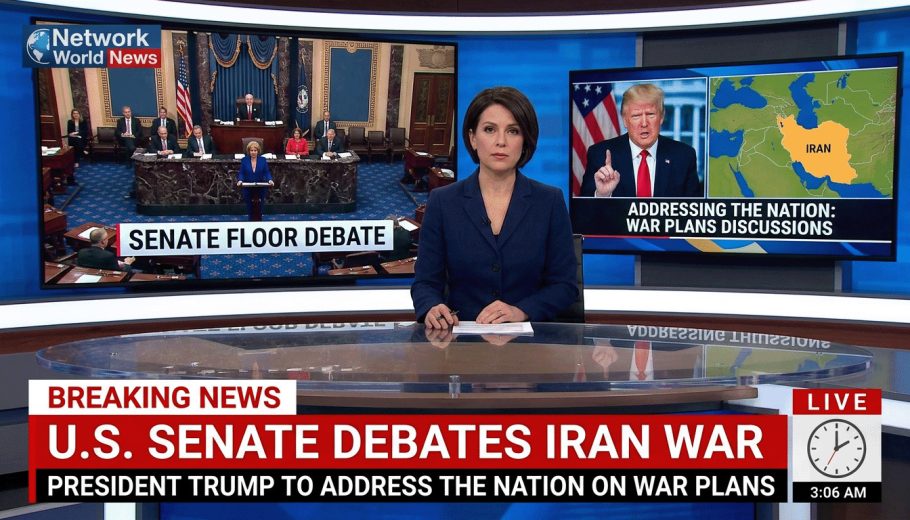
President Donald Trump will address the nation tonight about the Iran War. The speech is set for 9 p.m. ET. This comes as the U.S. is deeply involved in an international conflict. After week 5 of the Iran War, what have we accomplished?
White House press secretary Karoline Leavitt announced the address on social media. She didn’t share what Trump plans to say. Many Americans feel the Iran War is affecting decisions in Washington right now.
The Iran War is also overshadowing other crises. Russia’s invasion of Ukraine has lasted five years. Despite U.S. efforts, the conflict remains unresolved.
New calls for diplomacy are growing in the region. There are efforts for ceasefire talks between Israel and Gaza. This is important because the conflict is not just about one border. Any U.S. move will be seen as a test of American foreign policy. U.S. missile strikes hit hundreds of Iranian targets.
Key Takeaways
- Trump is expected to speak Wednesday night at 9 p.m. ET on the Iran War.
- The White House called the speech an “important update,” but offered few details.
- Karoline Leavitt announced the address on social media.
- The United States is weighing foreign policy choices while attention shifts from Ukraine.
- Russia’s war in Ukraine is in its fifth year, even as this international conflict dominates coverage.
- Regional diplomacy efforts, including ceasefire mediation calls, are part of the wider backdrop to the Iran war.
What to Know Ahead of Trump’s Address on the Iran War Crisis
Before President Donald Trump speaks, the Iran conflict is at the heart of Middle East tension. The White House promises an update, but there are gaps in the public record. This uncertainty is fueling foreign policy discussions in Washington and worldwide. White House Official Resigns over Iran War.
White House announcement, timing, and what’s confirmed so far
Press Secretary Karoline Leavitt said Trump will give an important update on the war in Iran. She didn’t share the message or any new steps in US-Iran relations.
The speech is set for Wednesday at 9 p.m. ET. Officials are keeping details vague, including what might be discussed about the Middle East.
What Trump has said publicly in the last 48 hours
In a Tuesday morning call with NBC News, Trump said the US is “doing great,” and the Iran conflict is “coming to an end.” Later, he told reporters the US will “leave” Iran in two or three weeks.
He also said Iran might not need a deal with the US for the war to end. This comes as political unrest in Iran adds to the foreign policy mix.
Conflicting signals on talks and pressure tactics
A day earlier, Trump said the US was negotiating with Iran, and that progress had been made. He also threatened to strike Iranian infrastructure if no deal was reached, including the Strait of Hormuz.
Iran has denied any talks with the US, creating a public disagreement over relations. Reporting on the Tehran riots links them to US pressure, as seen in the coverage.
With energy markets watching the Strait and allies tracking signals, mixed messages are adding to tensions in the Middle East. Other diplomatic priorities also vie for attention, making the foreign policy agenda even more crowded.
Iran War: Timeline, Shifting Endgame Claims, and Military Objectives
The Iran War timeline has moved fast, but the story has not stayed simple. President Trump has changed his words on time frames, adding to Middle East tension. The Iranian military is seen as both a target and a pressure point in the wider conflict.
U.S. strategy mixes battlefield wins with signals of peace. One key message is: This is not Iraq. This is not endless.
From late February into late March, Trump’s words changed. He went from a named operation to being “ahead of schedule,” and then back to “as long as necessary.” These changes mattered a lot. They set expectations at home and abroad.
Defense Department messages aim for clear goals but leave room for change. The focus is on weakening key Iranian capabilities. This puts the Iranian military at the heart of planning and debate. But it can also increase tensions in the Middle East as different groups interpret updates differently.
Reports of casualties and disruption follow the same uneven rhythm as the briefings. When the timeline tightens, human costs seem less important. But when it stretches, those costs become harder to ignore. In a conflict this visible, U.S. strategy is judged by its impact on civilians caught in the conflict.
Why the Iran Conflict Is Escalating: Middle East Tension, Nuclear Deal Fallout, and US-Iran Relations
Experts say the tension in the Middle East didn’t start suddenly. Arman Mahmoudian from the University of South Florida calls the relationship between the US and Iran “super tense” for over 50 years. This long-standing issue includes the Iranian hostage crisis, Iran-Contra, and years of distrust.
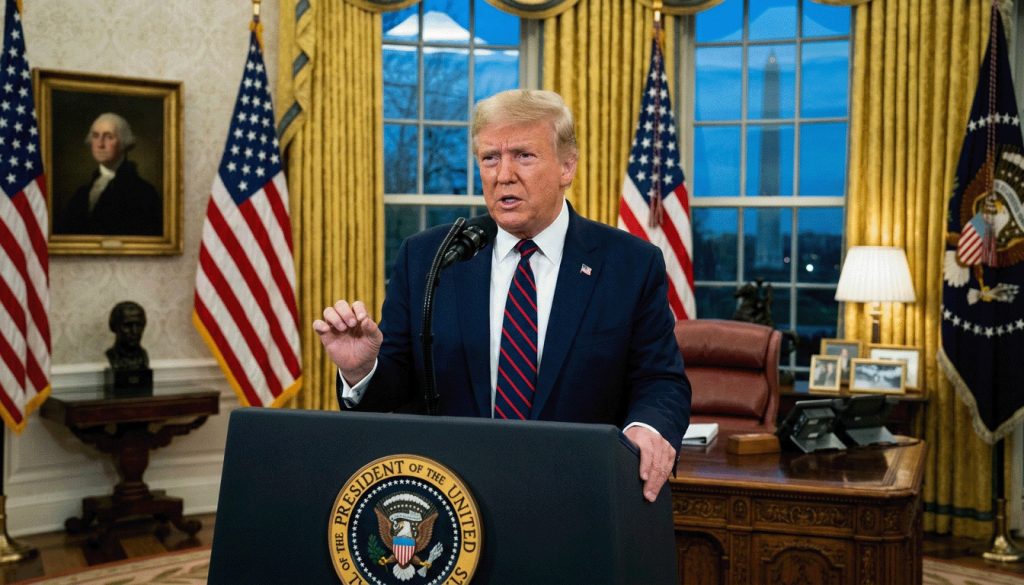
The nuclear deal under President Barack Obama became a big issue in US politics. President Donald Trump then pulled the US out, making the nuclear issue even more tense. Trump recently said “no enrichment,” keeping the nuclear issue at the heart of the conflict.
The Oct. 2023 Hamas attack on Israel also played a big role. Reports say Hamas is backed by Iran, changing Israel’s security views. Israel’s response then targeted not just Hamas but also other Iran-backed groups in the area.
Diplomats and security experts see the conflict through different lenses. Some focus on keeping the US safe, while others aim to pressure Iran into talks. The fight also affects global energy markets, as Iran’s oil reserves impact prices and rival countries like China.
Inside Iran, protests add to the conflict’s unpredictability. These protests can change leaders’ decisions and increase the chance of mistakes. The world’s attention is also divided, making it hard for the US to coordinate with its allies.
- Middle East tensions are fueled by proxy conflicts and shifting red lines.
- The nuclear deal debate keeps nuclear risk at the center of public claims.
- us-iran relations remain shaped by decades of crises and retaliation.
- Political unrest inside Iran adds uncertainty to decisions and signals.
- Foreign policy choices now carry spillover costs across multiple conflicts.
Conclusion
Trump gave a speech at 9 p.m. ET on Wednesday. It marked a key moment in the Iran War, after days of unclear messages. He hinted the war might soon end, but also warned of possible strikes and threats to the Strait of Hormuz.
Iran has said it won’t talk, leaving many wondering about the U.S.’s next steps. The war started on Feb. 28, and goals have shifted. Trump and Defense Secretary Pete Hegseth want to stop missiles and block Iran’s nuclear plans, but they’re not setting a timeline.
This uncertainty is important because each move can make the conflict bigger. It can also make choices harder to change later.
The war is taking a toll on people, too. Reports say 13 U.S. soldiers have died, and hundreds more are hurt. At least 1,443 civilians, including 217 kids, have been killed in airstrikes by Israel and the U.S. by March 23.
This raises questions about who should be in charge and what Congress should approve. The Senate is voting on war powers, as explained in the Senate war powers vote.
The Iran War is also changing U.S. foreign policy. It’s taking attention away from other crises, like Ukraine. Iranian drones in Ukraine add to the conflict’s complexity.
Now, the war is at a turning point. The question is not just whether force will work. It’s also whether the decisions made reflect the will of the people and are accountable.