

The latest news about a U.S. military pilot involves an incident over Iran. An American F-15 crew was downed. President Donald Trump shared updates during a Monday briefing.
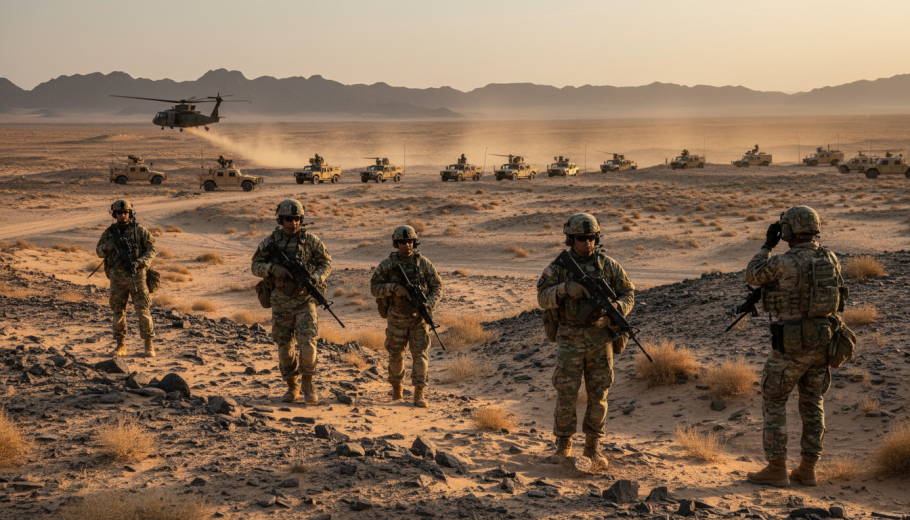
Trump said the U.S. pilot faced a tough fight to survive after ejecting. U.S. forces were working to recover the crew. They battled against time, terrain, and hostile patrols.
The White House made these comments with key officials present. CIA Director John Ratcliffe, Defense Secretary Pete Hegseth, and Chairman of the Joint Chiefs of Staff Gen. Dan Caine were there. Their presence showed a quick response to the crisis.
Three main points were highlighted: the pilot’s actions, the dangers inside Iran, and the recovery effort. The story also touched on the use of intelligence and deception in the operation.
Key Takeaways
- New u.s military pilot news includes Trump’s on-camera account of a U.S. aviation incident over Iran.
- The U.S pilot in Iran reportedly relied on survival skills immediately after ejection.
- White House remarks were delivered with John Ratcliffe, Pete Hegseth, and Gen. Dan Caine present.
- The crisis in Iran involving a U.S. pilot is tied to dangers on the ground and the race to locate the crew.
- The administration signaled a large recovery effort shaped by intelligence and deception tactics.
- More details are expected on how the shootdown happened and what it means for U.S. air operations.
New Details on the U.S pilot in Iran and the Survival Effort After the Shootdown
New stories are giving us a clearer view of the u.s pilot in Iran after the shootdown. But many details are kept secret for safety reasons. We focus on what’s been shared without risking anyone’s safety.
Trump’s briefing on the downed F-15 crew and how the incident unfolded
President Donald Trump talked about the F-15 crew’s ejection and the quick response. He highlighted the crew’s training and discipline as key in those tense moments.
Details are kept brief, and sensitive information is not shared. Yet, the briefing gave us a glimpse into the fast-paced situation faced by the u.s pilot in Iran.
Injuries, evasion, and self-aid in mountainous terrain “teeming” with IRGC and local forces
Trump mentioned the weapons system officer was stranded in the mountains full of the Iranian Revolutionary Guard Corps (IRGC) and others. Moving could attract unwanted attention.
He said the officer was “injured quite badly,” “bleeding a lot,” and “treated his own wounds” to avoid capture. This shows the challenges an American pilot faces in foreign territory without immediate help.
Training-driven survival: climbing to higher altitudes, scaling cliff faces, and transmitting location
Trump explained the officer followed training to move into “treacherous” terrain and climb higher. This made capture less likely, according to Trump.
He also mentioned the officer “scaled cliff faces” and “contacted American forces” to share his location. This shows the importance of movement, hiding, and communication in u.s pilot safety in Iran.
What officials said about the shoulder-launched, heat-seeking missile and the broader U.S. aviation incident
Trump said the U.S. had disabled Iran’s radar and air defense, but the F-15 was hit by a shoulder-launched, heat-seeking missile. He believed the attackers had “a little luck,” saying, “You’ve got to get lucky.”
Officials have shared little about the wider U.S. aviation incident. This caution is due to the ongoing recovery efforts and the risks to the American pilot in foreign territory, including in Iran.
Rescue Operations, Intelligence Tracking, and the American Pilot Detained in Iran Risk Narrative
The rescue effort quickly became more than a rescue story. It shaped the public risk narrative around an American pilot detained in Iran. Officials had to consider how each move could widen a u.s pilot diplomatic issue and sharpen a u.s pilot defense situation.
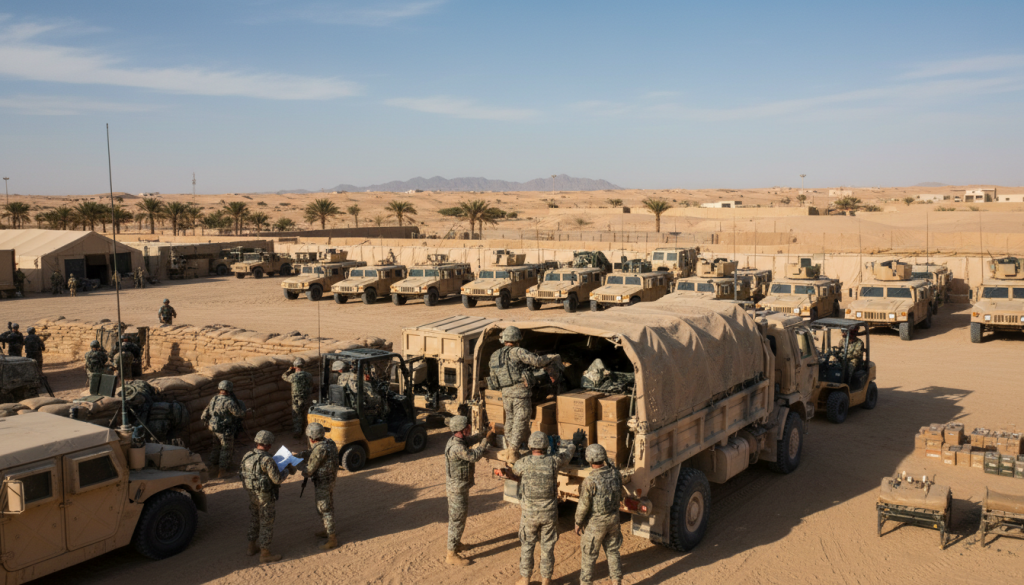
In briefings, leaders described a rapidly changing search landscape. Iranian forces and local units pressed into the same terrain. This made timing, noise discipline, and misdirection as important as aircraft and manpower.
Two separate recoveries: daylight mission details and why locating the second aviator was so difficult
Donald Trump described the first pilot being pulled out on Friday in a separate and challenging broad daylight mission. The second aviator came down miles away. This made the follow-on recovery a tougher hunt with fewer clean signals.
CIA Director John Ratcliffe compared the search to hunting for a single grain of sand in the middle of a desert. In this fight, every minute added pressure to an already tense u.s pilot defense situation. There were worries that the story could shift toward an American pilot detained in Iran.
Scale of the operation: “hundreds” of service members and 155 aircraft, including bombers, fighters, tankers, and rescue
Trump put the footprint at “hundreds” of service members and 155 aircraft. He listed four bombers, 64 fighters, 48 refueling tankers, and 13 rescue aircraft, along with other support platforms.
Pete Hegseth also highlighted a small human detail from the search. He said that when the airman turned on his transponder, the first message was God is Good. This was seen as a sign of faith and grit under isolation.
Deception and misdirection: multiple search locations used to confuse Iranian forces
Trump said planners used “seven different locations” to sell the idea that searches were unfolding elsewhere. He said Iranian forces were “very confused,” a tactic meant to keep corridors open and reduce the odds of a u.s pilot diplomatic issue escalating in real time.
He also described a sensitive equipment denial decision at the makeshift landing area. Two aircraft ferrying troops and gear could not lift off from soft, wet sand. He said U.S. forces destroyed them—blew them up to smithereens—to prevent technology from being seized, while lighter, faster aircraft moved personnel out.
CIA’s role in locating the weapons system officer using human assets and “exquisite technologies.”
Trump credited the CIA with finding “this little speck” in the mountainous area where the aviator hid. Ratcliffe said the agency used human assets and exquisite technologies that no other intelligence service in the world possesses.
Ratcliffe said the weapons system officer was located Saturday, concealed in a mountain crevice. “He was invisible to the enemy, but not to the CIA.” He also said some capabilities require presidential approval, may fall under covert action authorities, and will not be detailed publicly, even as the mission stayed a race against the clock.
Hegseth described Iran’s military as “embarrassed and humiliated” by the outcome. Even so, officials kept the focus on immediate security. They were mindful that any gap in secrecy could revive fears of an American pilot detained in Iran, complicate a u.s pilot diplomatic issue, and deepen the broader u.s pilot defense situation.
Conclusion
This u.s aviation incident ended with two recoveries that officials framed as both urgent and tightly controlled. The administration said an F-15E with two crew members went down in southern Iran. One airman was pulled out within hours.
The second remained missing longer and was recovered after a long push. This push mixed survival skills, coordinated rescue aircraft, and deliberate misdirection.
In u.s military pilot news, President Donald Trump emphasized how the airman stayed alive while injured and bleeding. He used self-aid and moved toward higher ground. Trump said the aviator climbed, scaled cliff faces, and transmitted a location.
The area was described as thick with IRGC activity, militia elements, and local authorities. This threat picture has kept U.S. pilot safety in Iran at the center of every new detail released.
Officials also pointed to a shoulder-launched, heat-seeking missile as the method used for the shootdown. Trump argued Iran’s radar and air defenses were degraded, with luck playing a role in who got through. Even so, the White House portrayed the retrieval as an around-the-clock effort.
This effort used layers of cover, electronic support, and targeting discipline. For a fuller rundown of what was publicly described, reporting from Al Jazeera’s account of the rescue has been widely cited.
For a U.S. audience, the takeaway is scale and secrecy: large air packages, intelligence tracking described only in broad strokes, and key gaps left unfilled. Leaders have linked this U.S. aviation incident to a broader regional spike in risk.
Retaliation and base defense shape headlines. This context, including concerns about strikes and escalation, has also fueled u.s military pilot news. It has renewed debate over u.s pilot safety in Iran, as reflected in updates on the Qatar base attack and the pressure it puts on diplomacy.